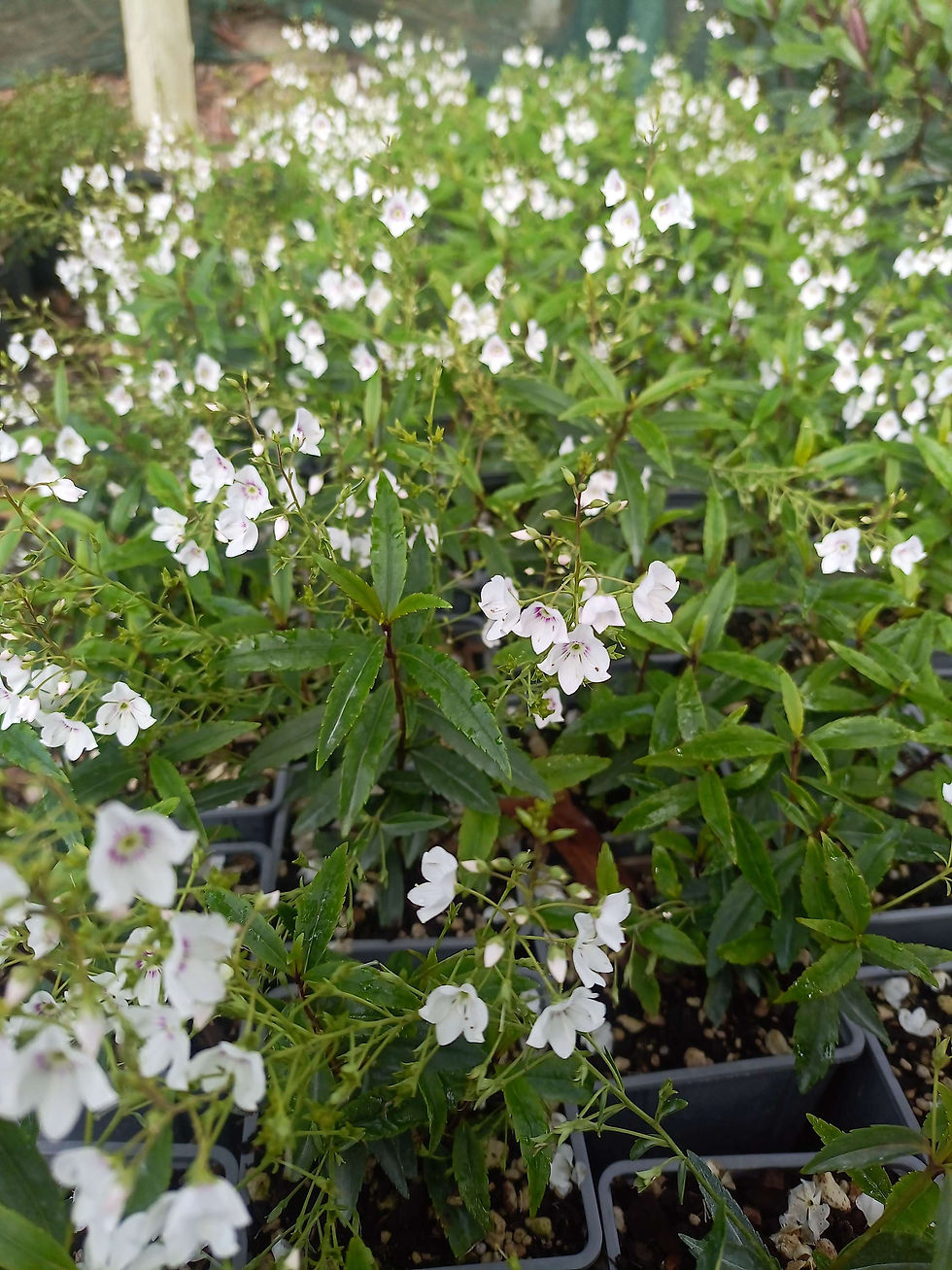
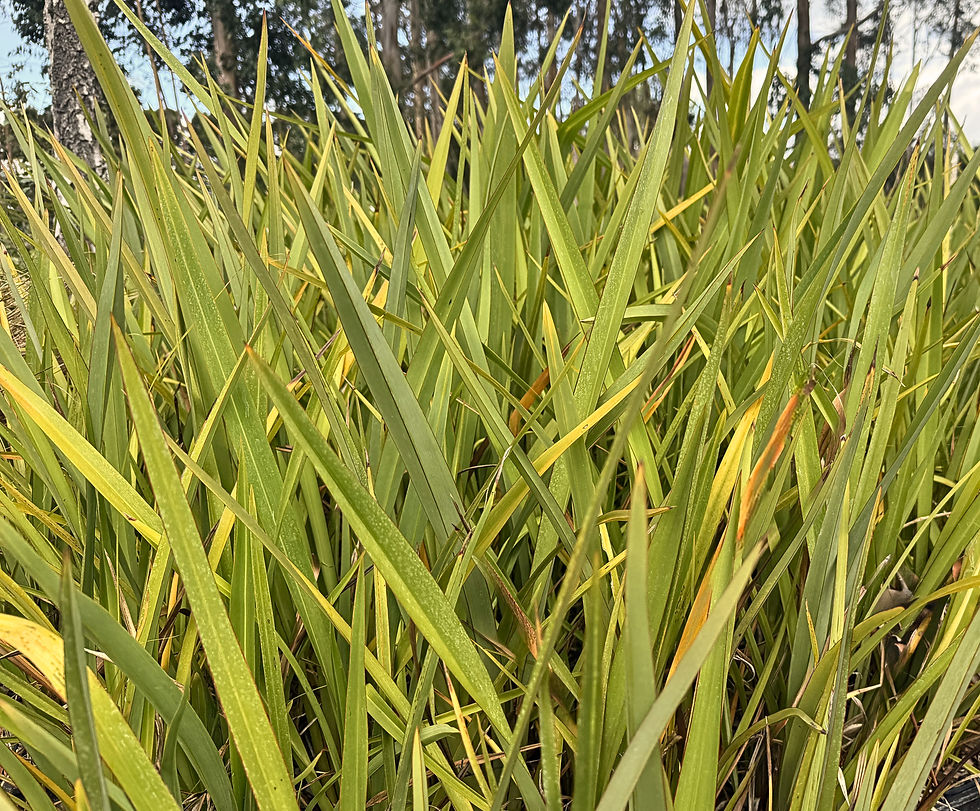
Arthropodium cirratum Renga Renga Lily / Maikāika / Rock Lily is one of New Zealand's most elegant and hardworking native perennials, beloved by gardeners and ecologists alike. A hardy and adaptable perennial, Renga Renga forms large, lush clumps of drooping, fleshy strap-shaped leaves and produces starry white flowers in airy panicles from early to mid-summer.
The flowers are followed by fruits and seeds that attract birds, extending the plant's ecological value well beyond its flowering season.
But Renga Renga is far more than just a pretty face. Its dense clumping habit and fleshy root system stabilise fragile banks and help prevent erosion, while its flowers provide a seasonal nectar source for native pollinators including flies and bees. Its broad, arching foliage creates shelter for native invertebrates and ground-dwelling lizards. Equally at home in a small courtyard garden or a large-scale restoration planting, Renga Renga also makes a superb container plant.
⚠️ Pest Note: Renga Renga is susceptible to slug and snail damage, and can occasionally be affected by leaf-spot fungus in damp, shady situations.
Arthropodium cirrahtum - Renga renga lily
Botanical Name Arthropodium cirratum Māori Name Renga Renga, Maikāika Common Name Renga Renga Lily, Rock Lily, New Zealand Rock Lily Family Asparagaceae Type Evergreen perennial herb Origin Endemic to New Zealand Natural Distribution Three Kings Islands, throughout the North Island, and the upper South Island (north of Greymouth and Kaikoura) Mature Height Approximately 1 m including flower stalks Mature Spread 1–1.5 m Sun Requirements Full sun to partial shade; grows best in partial to full shade Soil Free-draining soil rich in organic matter; tolerates dry and coastal conditions Flowering September to December — white star-shaped flowers Wind Tolerance Tolerates coastal winds and salt Frost Tolerance Hardy — can regrow from fleshy roots each spring, even in frost-prone areas Drought Tolerance Good once established Maintenance Very low — remove old leaves and spent flower stems if desired Conservation Status Not Threatened Planting Tips: Best planted in spring or autumn when temperatures are mild and soil is moist, to help plants establish before the extremes of summer heat or winter cold. Water slowly and deeply during the first year, allowing moisture to sink down to the roots rather than running off the surface. Space plants 60 cm–1 m apart for groundcover planting, or give individual specimens room to spread to their full width.
Ideal Uses: Mass planted as a groundcover, used in cottage or white gardens, included in borders, or planted around outdoor living areas. Excellent under trees, on shaded banks, in coastal gardens, rockeries, and naturalistic plantings. Striking when mixed creatively with shrubs, groundcovers, grasses, and ferns, and well suited to small gardens and container planting.
Ongoing Care: Thrives in shady places and performs well in dry soils such as under trees. Provides effective evergreen groundcover requiring minimal maintenance. Remove old or damaged leaves and spent flower stems to keep plants looking their best. Apply slug bait around plants as needed, particularly during damp periods.