top of page

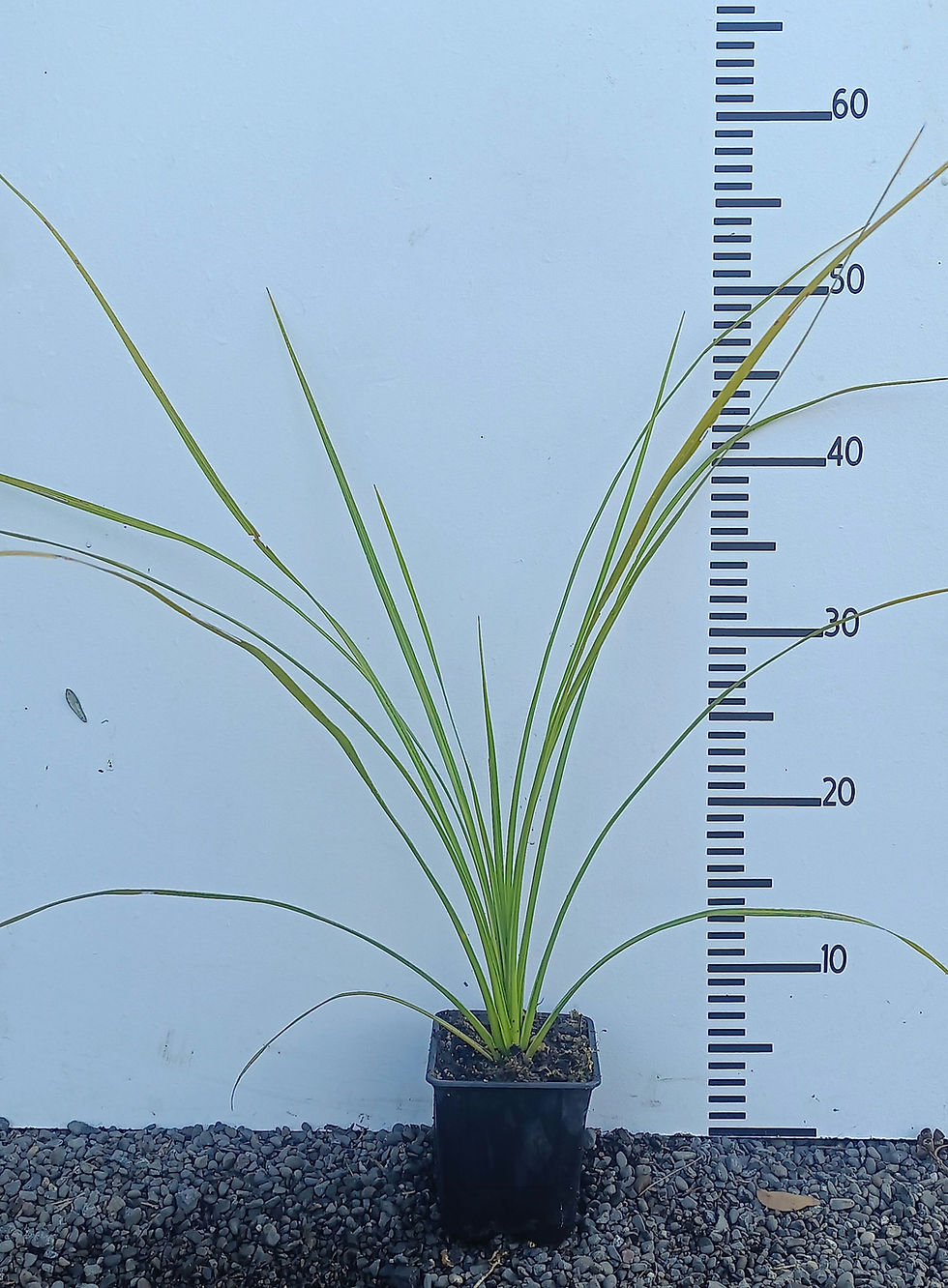
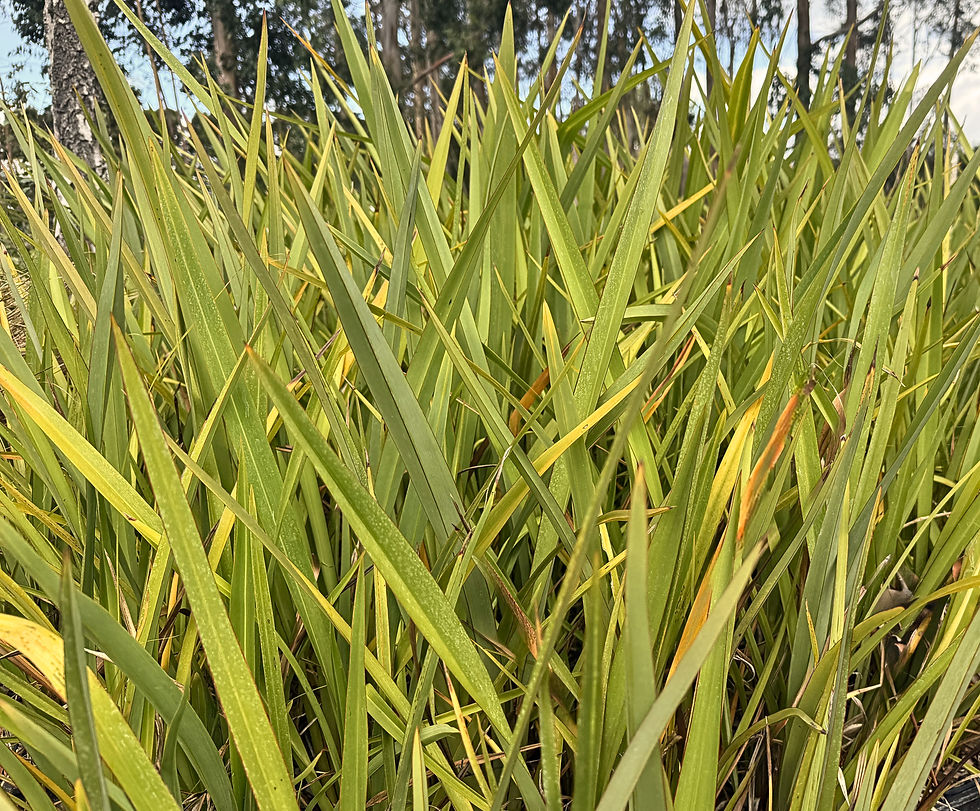
Phormium tenax Harakeke / New Zealand Flax  is perhaps the most culturally significant and architecturally striking native plant in New Zealand. An evergreen perennial, Harakeke grows as a bold clump of long, strap-like, sword-shaped leaves from which a much taller flowering shoot rises, bearing dramatic tubular flowers in deep red or orange-yellow. Hardy and tolerant of most soil conditions, Harakeke thrives in full sun and looks spectacular mass planted or used as a strong contrasting feature plant in any garden. It is also an important food source for native birds such as tūī who seek out its nectar-rich flowers with characteristic enthusiasm. Rich, well-drained alluvial and organic soils encourage the most abundant growth, though Harakeke is broadly adaptable across a wide range of New Zealand conditions.

Phormium Tenax

$4.50Price
Quantity
  • Botanical Name Phormium tenax
    Māori Name Harakeke
    Common Name New Zealand Flax
    Family Asphodelaceae
    Type Evergreen perennial
    Origin Endemic to New Zealand, Norfolk Island, and the Chatham Islands 
    Mature Height Up to 2 m foliage; flower stalks can reach 4 m 
    Mature Spread Approximately 1.5 m 
    Sun Requirements Full sun to partial shade 
    Soil Prefers well-drained soil; tolerates wet or poor soils
    Flowering Summer — tall spikes of tubular red-orange flowers
    Wind Tolerance Hardy to wind and coastal exposure
    Frost Tolerance Hardy; protect young plants from heavy frosts
    Drought Tolerance Good once established 
    Growth Rate Moderate to fast
    Maintenance Very low — remove old leaves and spent flower stalks as needed
    Conservation Status Not Threatened

    Planting Tips: Plant in full sun for best results, in well-drained to moist soil. Harakeke does not have a deep root system, so while it is effective for slope stabilisation and erosion control, it may be dislodged in severe flooding events, avoid planting in areas prone to significant floodwater flow. Space plants 1–1.5 m apart for mass planting, or give feature specimens room to develop their full, dramatic spread.

    Ideal Uses: Mass planting, feature specimens, coastal gardens, wetland and streamside margins, revegetation and restoration, erosion control, wildlife gardens, and as a striking container plant. Harakeke is also widely used in restoration and revegetation plantings, and is important in many ecological communities as a food source for native birds and insects. 

    Ongoing Care: Minimal maintenance required. Remove dead or damaged outer leaves at the base, and cut spent flower stalks to the ground after flowering. Harakeke is very easy to propagate by division of rooted fans from established plants so once established, you'll have plants to share for years to come. 

Best Sellers

bottom of page