top of page


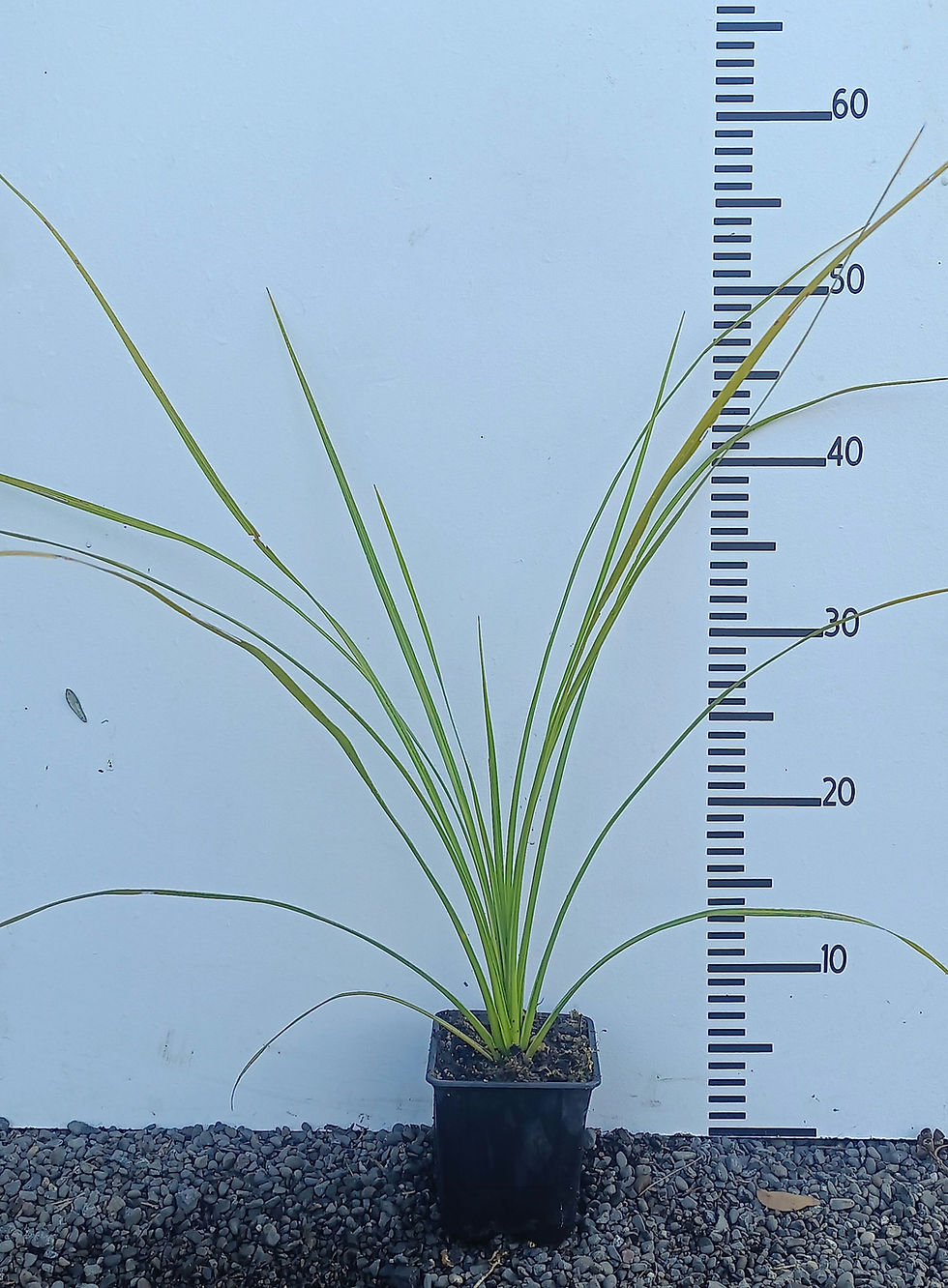
Carex comans Bronze Bronze New Zealand Hair Sedge is the warm-toned counterpart to the green species form, and one of the most celebrated ornamental grasses in the world. A delightful New Zealand Hair Sedge, it forms a low, cascading mound of narrowly linear, reddish-brown leaves with inconspicuous brown flower spikes in late summer regarded as one of the most beautiful ornamental grasses for the garden, providing a lovely contrast with other plants, mulch, or gravel. A low growing sedge with drooping, spreading leaves reaching 30–40 cm high, its reddish-brown foliage is tipped with often-blonde leaf ends, and the flowering stems lie along the ground as they mature giving it a soft, spilling quality that is quite unlike almost any other plant. Where the green form brings freshness and movement, the bronze form brings warmth, depth, and a rich earthy glow that complements almost any planting scheme.

Carex comans - bronze

$4.50Price
Quantity
  • Botanical Name Carex comans Bronze
    Common Name Bronze New Zealand Hair Sedge
    Form Bronze — warm reddish-brown foliage form
    Family Cyperaceae
    Type Evergreen perennial sedge
    Origin Endemic to New Zealand
    Natural Habitat Damp pasture and tussockland throughout New Zealand except Fiordland 
    Mature Height 30–40 cm 
    Mature Spread Approximately 40 cm 
    Sun Requirements Full sun to partial shade — best colour achieved in full sun 
    Soil Moist, fertile, well-drained soil; tolerates a wide range of conditions 
    Flowering Summer — small brown flowers on arching stems 
    Foliage Colour Reddish-brown year-round; tips often blonde 
    Wind Tolerance Good — tolerates exposed sites
    Frost Tolerance Hardy
    Drought Tolerance Good once established 
    Waterlogging Will not tolerate excessive winter wet 
    Deer Resistance Yes 
    Growth Rate Moderate
    Maintenance Very low
    Conservation Status Not Threatened

    Planting Tips: Prepare the planting site when soil is moist and easily worked. Remove all weeds and incorporate bark compost or other organic material. For heavy soils, incorporate extra topsoil and coarse pumice sand to improve drainage. Plant when the soil is moist and warm in autumn or early spring so that a good root system develops. Space plants so that clumps just touch each other when mature to create a full effect without overcrowding — planting too closely will lead to spindly growth and eventual decline. 

    Ideal Uses: Excellent for the front of a border or grouped as a groundcover. Suited to alpine, coastal, and temperate conditions, and outstanding in mass specimen landscape plantings. Beautiful near ponds or streams where the warm foliage colour can be reflected in the water, and equally at home in containers, rockeries, and mixed ornamental borders. 

    Ongoing Care: Generally disease-free, though occasionally attacked by aphids. Propagate by seed sown in a cold frame in spring, or by division in early summer. In summer, cut out any dead leaves to keep plants looking their best. If pruning becomes necessary to maintain an attractive appearance, do so in late winter or early spring and leave at least 5 cm of growth.

Best Sellers

bottom of page