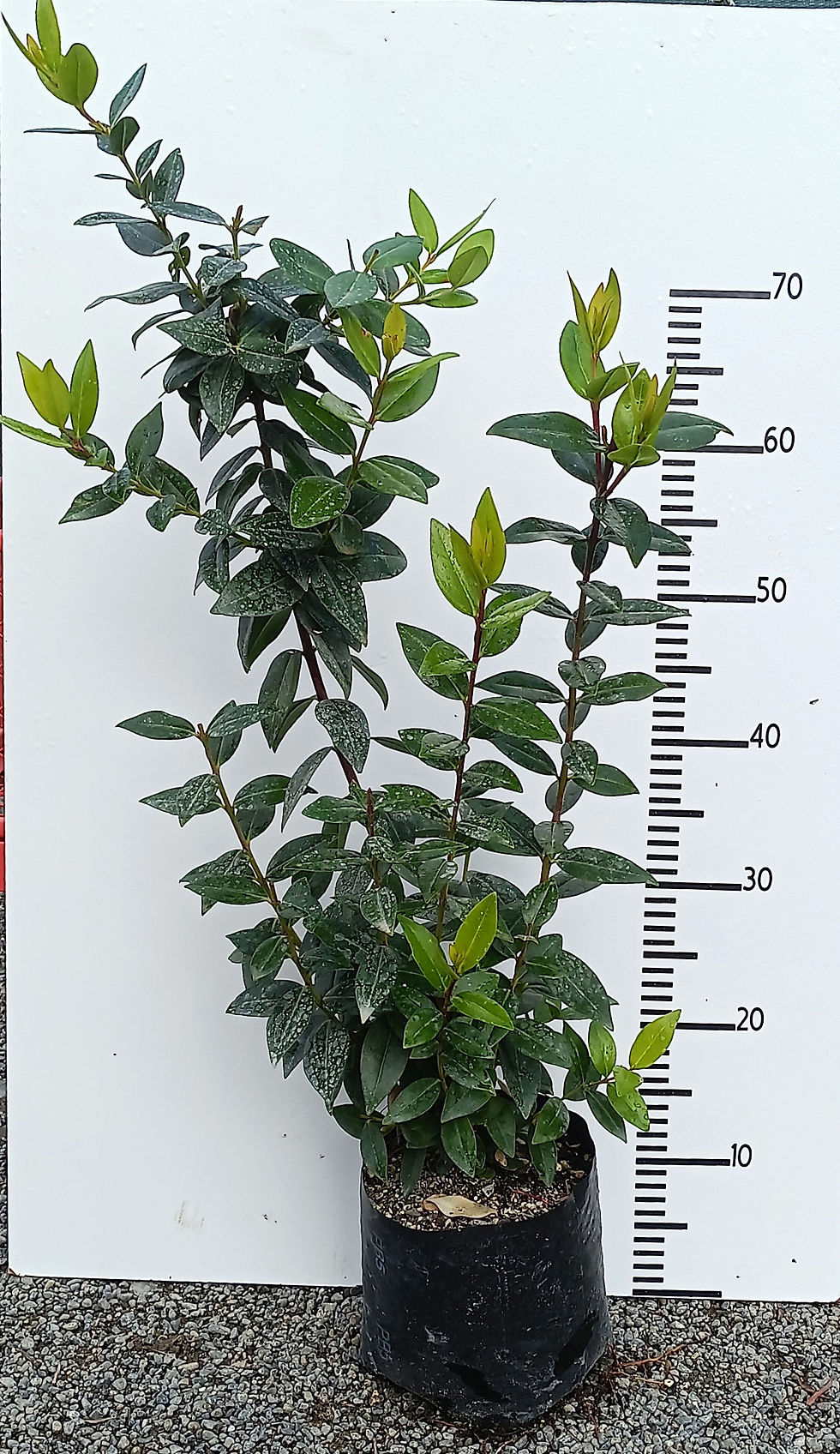
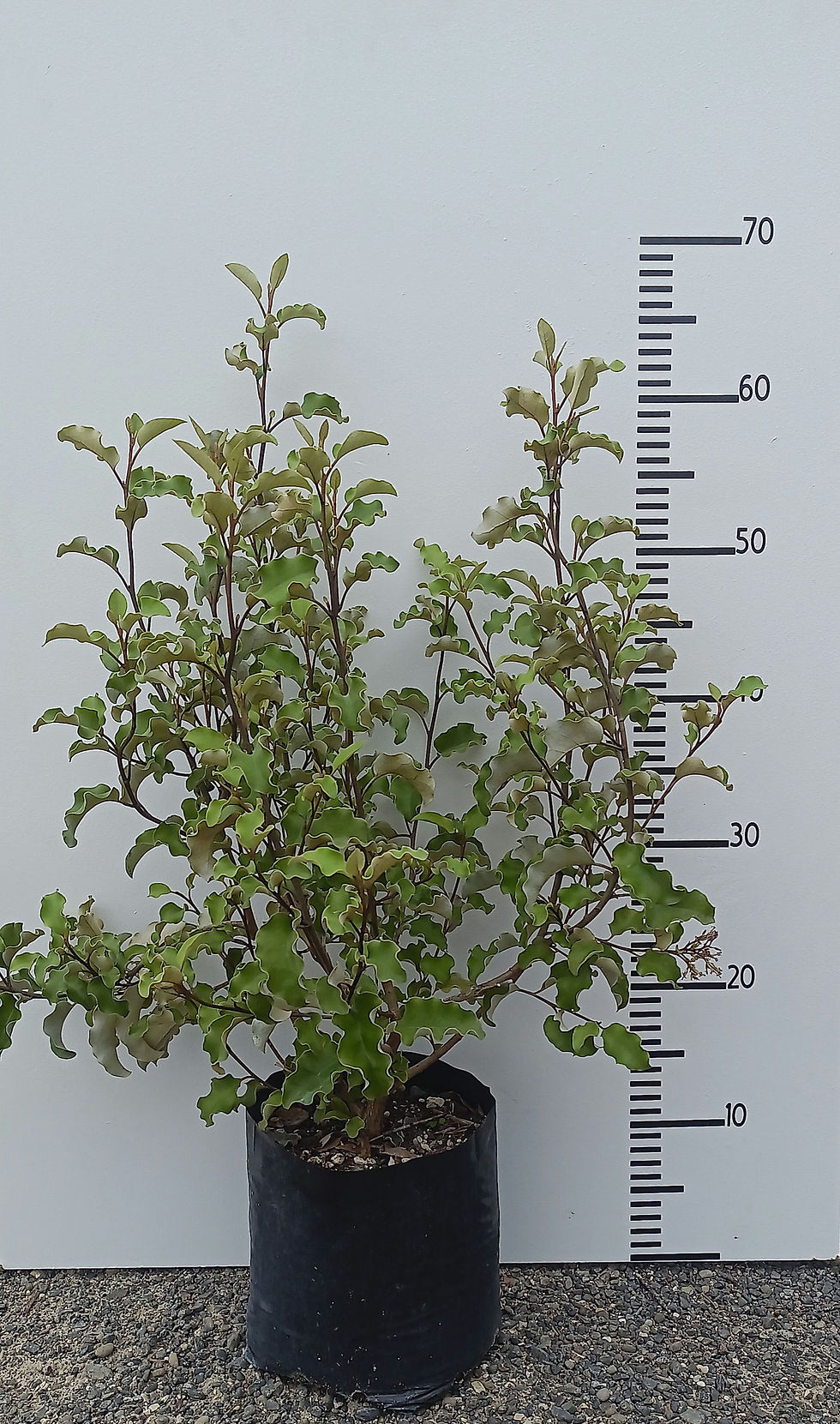
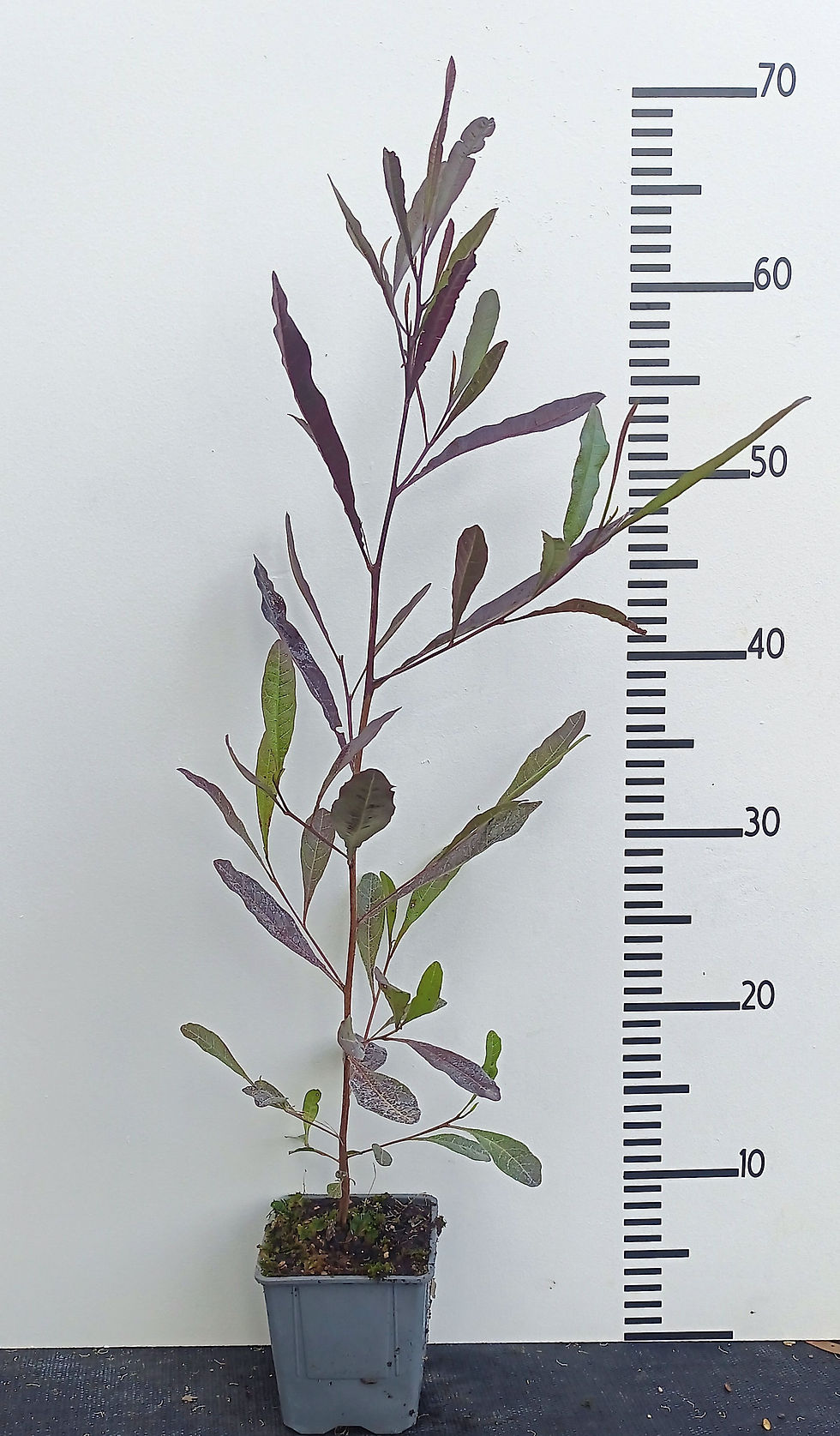
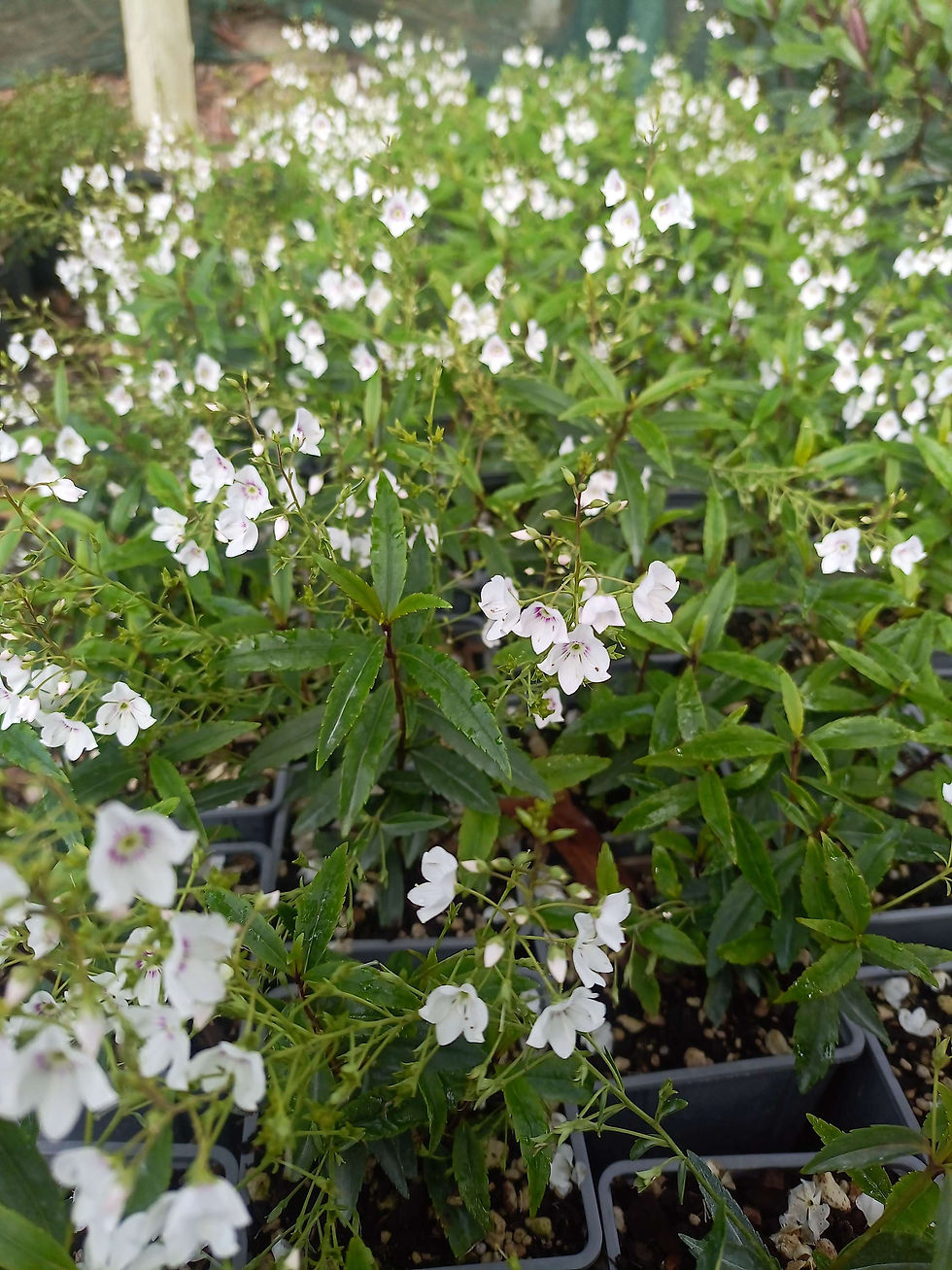
Dodonaea viscosa Akeake / Hopbush is one of New Zealand's toughest, most characterful, and most culturally significant native trees, and a plant that has truly earned its legendary status. A hardy evergreen shrub or small tree with a dense, bushy habit, Akeake bears glossy, narrow, leathery green leaves and produces ornamental winged seed capsules that are as decorative as any flower, beginning creamy-green and maturing to a warm papery brown through summer and autumn.
Akeake thrives in nearly all conditions, making it ideal for restoration projects from the coast to lowland forest. It tolerates salt winds and dry conditions, makes a superb trimmed hedge, and produces ornamental papery flower clusters in summer. It occupies a wide range of natural habitats from dune fields and boulder beaches through coastal scrub to lowland forest.
Dodonaea viscosa 'ake ake' red
Botanical Name Dodonaea viscosa Māori Name Akeake Common Name Hopbush, Broadleaf Hopbush Family Sapindaceae Type Evergreen shrub / small tree Origin Native to New Zealand; coastal to lowland forest habitats Mature Height Typically 3–7 m at maturity Mature Spread Approximately 2 m; reaches 2 m high x 2 m wide in 10 years Sun Requirements Full sun — does not like shade Soil Prefers well-drained soil; tolerates poor, sandy, and coastal soils Flowering Spring–summer (September–January) — small inconspicuous flowers Fruiting Summer–autumn (November–April) — ornamental winged seed capsules Wind Tolerance Excellent — highly tolerant of wind and salt spray Frost Tolerance Sensitive to heavy frosts when young; hardy once established Drought Tolerance Very good once established Growth Rate Medium to rapid Maintenance Very low — responds well to trimming Conservation Status Not Threatened