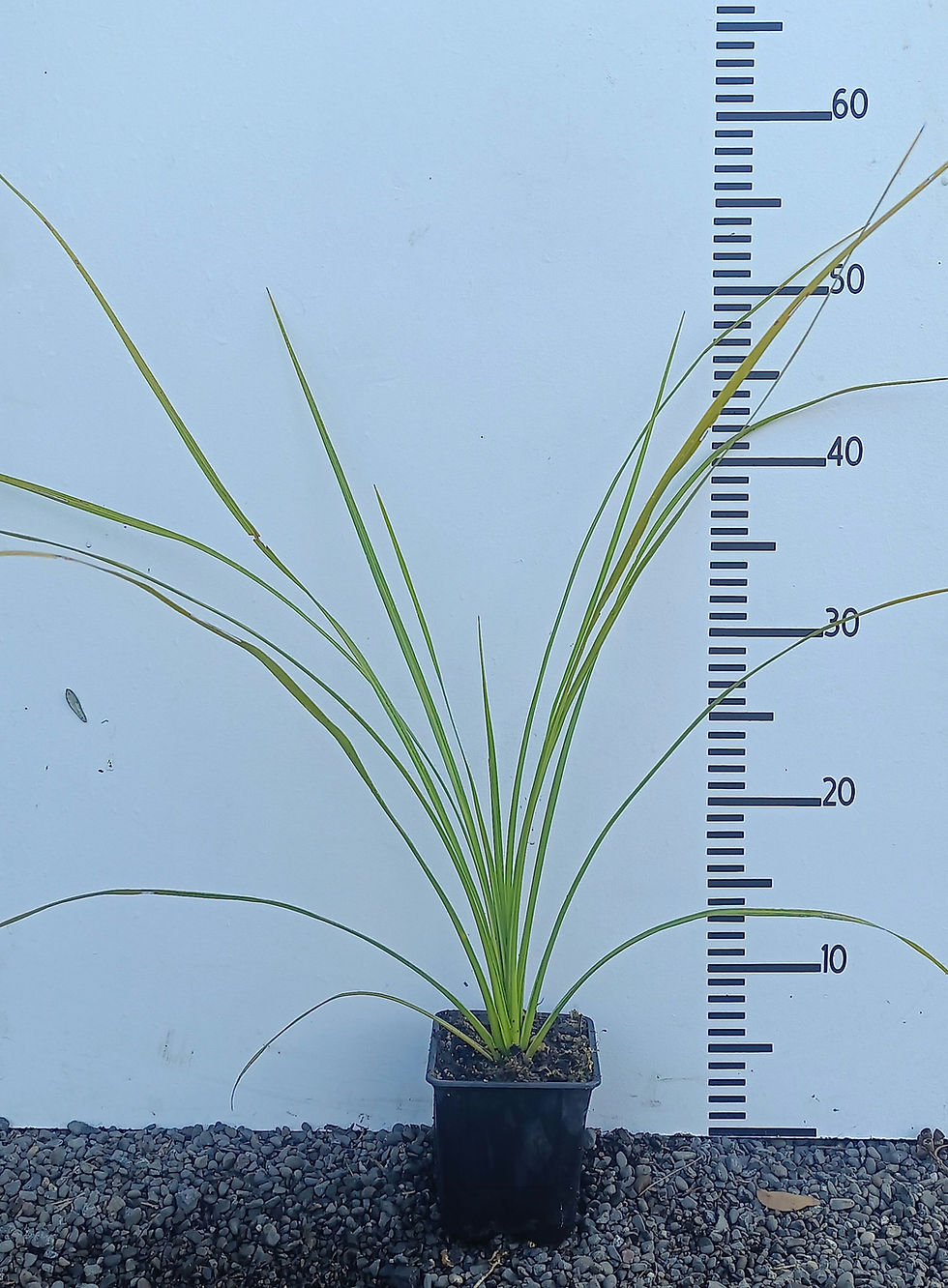
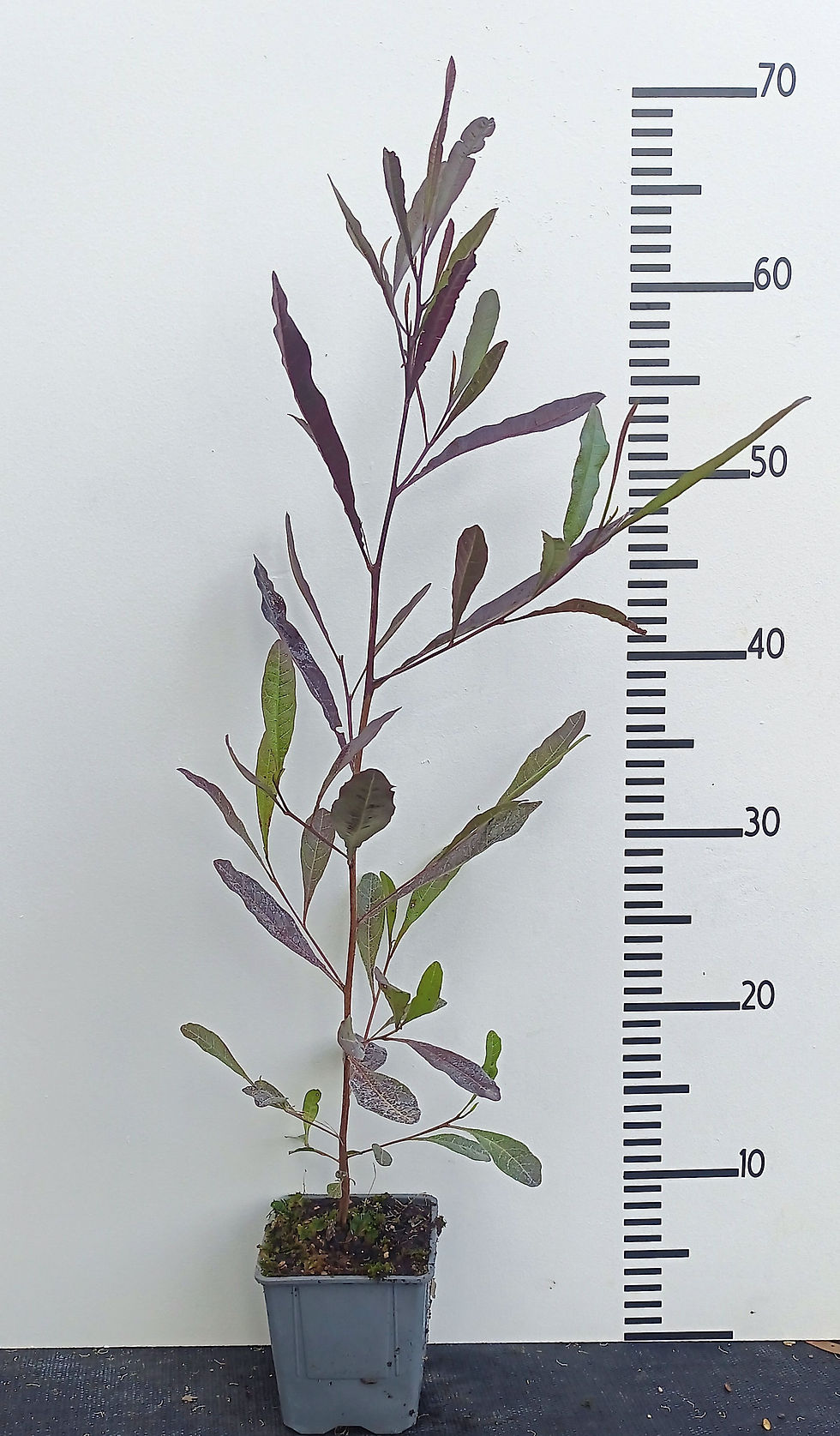
Carex comans New Zealand Hair Sedge / Frosted Curls Sedge (Green form) is one of New Zealand's most graceful and globally celebrated native sedges, and a plant that has found fans in gardens from Auckland to Amsterdam. An exceptionally graceful native sedge endemic to New Zealand, Carex comans forms dense, weeping clumps of incredibly fine, hair-like foliage that cascades elegantly to create a mesmerising waterfall effect that shimmers and dances in the slightest breeze. The green form is the straight species — the all-green counterpart to the more familiar variegated 'Frosted Curls', with long foliage that carpets a wide circle of ground, and is best displayed at the edge of a bed, the edge of a wall, or in a container where its draping, sweeping form can be fully appreciated.
Carex comans - green
Botanical Name Carex comans Common Name New Zealand Hair Sedge, Frosted Curls Sedge Form Green — straight species form Family Cyperaceae Type Evergreen perennial sedge Origin Endemic to New Zealand — North, South, and Stewart Islands Natural Habitat Damp tussock grassland, bush tracks, river flats, coastal to subalpine regions in free-draining soils Mature Height Up to 60 cm Mature Spread Up to 1 m — wide, cascading mound Sun Requirements Full sun to partial shade Soil Free-draining soils; tolerates a wide range of conditions except permanently waterlogged soils Flowering Late spring to early summer — inconspicuous brown-green flower spikes Wind Tolerance Good — tolerates exposed sites Frost Tolerance Hardy — tolerates a wide range of temperatures Drought Tolerance Good — particularly suitable for dry sites once established Waterlogging Will not tolerate permanently waterlogged soils Growth Rate Moderate Maintenance Very low Conservation Status Not Threatened Planting Tips: Prepare the planting site when soil is moist and easily worked. Remove all weeds and incorporate bark compost or other organic material. For heavy soils, incorporate extra topsoil and coarse pumice sand to improve drainage. Plant when the soil is moist and warm in autumn or early spring so that a good root system develops. Space plants so that clumps just touch each other when mature to create a full effect without overcrowding — planting too closely will lead to spindly growth and eventual decline.
Ideal Uses: Plant along stream banks or pond margins, en masse or in small groups along slopes, in large containers where the drooping foliage can be admired, to line a walkway, in the front of a border, or tucked between rocks in a rock garden. Spectacular effects can be achieved by planting Carex comans en masse, or alongside Anemanthele lessoniana or Carex buchananii.
Ongoing Care: Deer-resistant and drought-tolerant, this sedge requires little care and provides almost year-round interest. In summer, cut out any dead leaves to keep plants looking their best. Propagate by seed sown in a cold frame in spring, or by division in early summer. A relatively short-lived but easily propagated sedge — established clumps can be divided readily to create new plants.