top of page

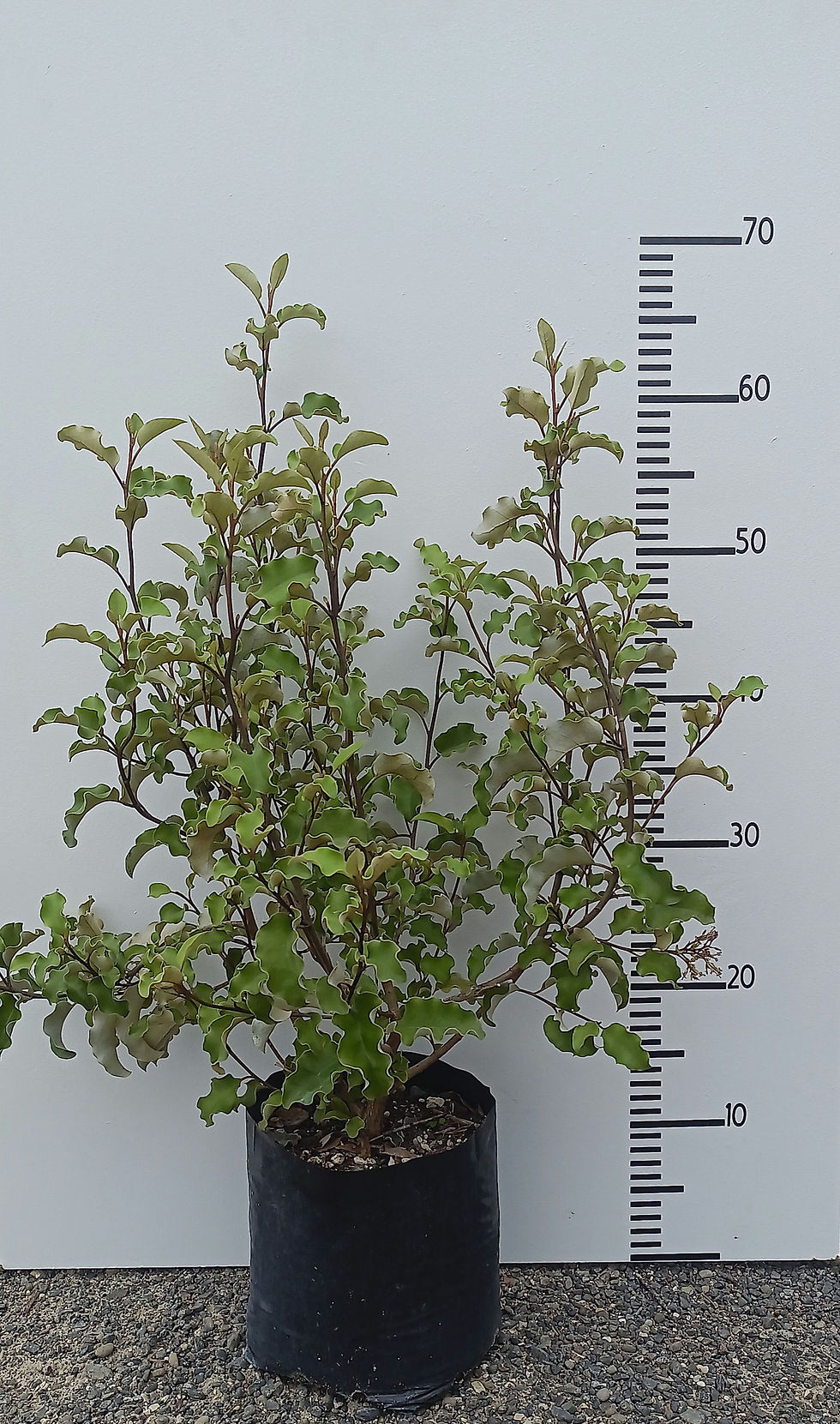
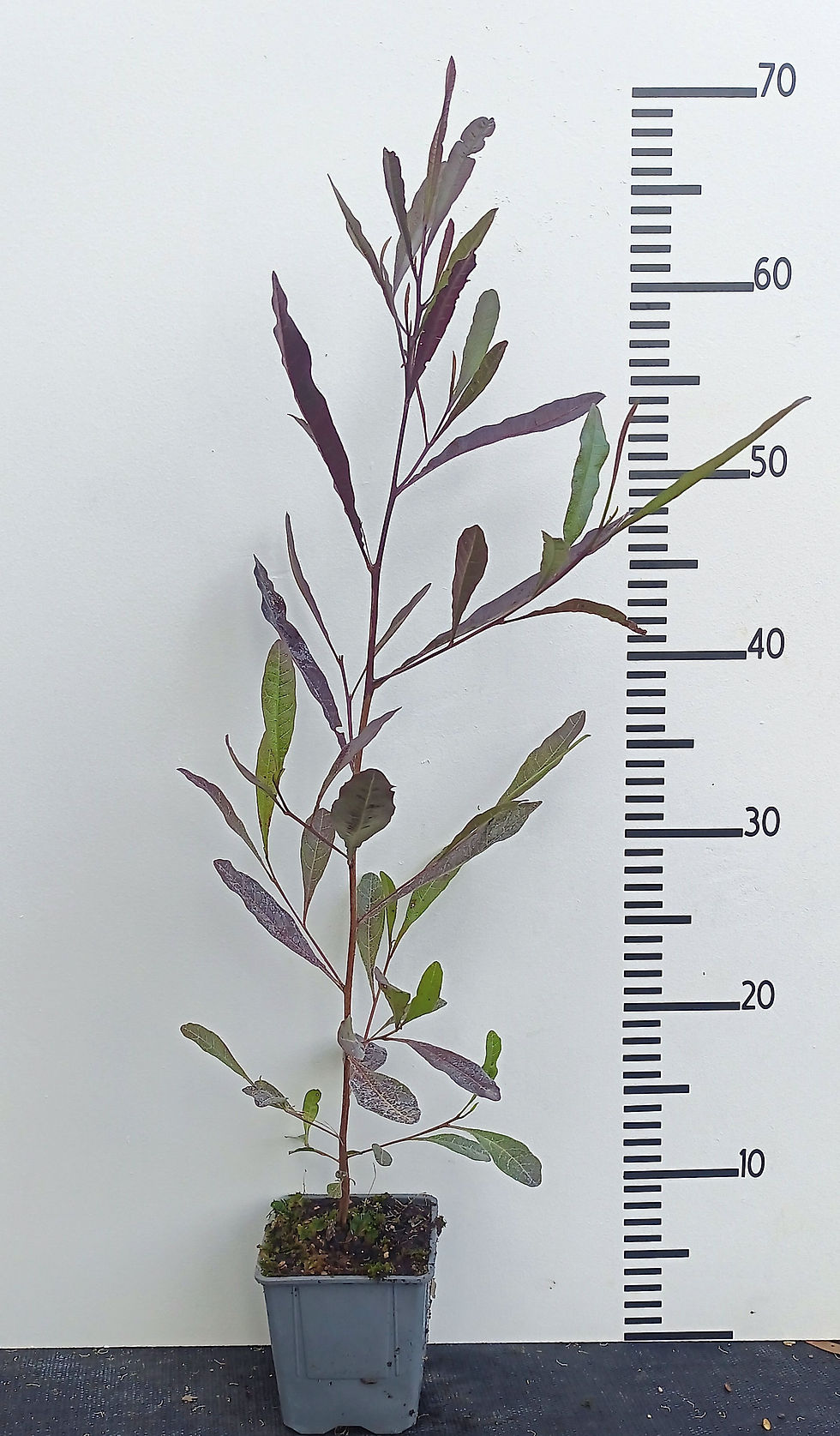
Dodonaea viscosa Green Akeake / Green Hopbush is the straight species form of one of New Zealand's most enduring and versatile native trees, and the workhorse of the Akeake family. Featuring lush, bright green leaves held densely off upright stems, Green Akeake produces masses of small pink flowers in summer and grows to an impressive 4 m tall and 2.5 m wide all while tolerating conditions that would stop most plants in their tracks.

Its narrow, glossy green leaves can develop attractive bronze or purplish tones in cooler weather, while its papery hop-like seed capsules add year-round visual interest to the garden. It has bright green, long, thin wavy leaves, flaking reddish bark, and those characteristic papery winged seed capsules that catch the light and rustle in the breeze giving it a natural, tactile quality that few other natives can match.

Dodonaea viscosa - green ake ake

From $5.00Sale Price
Quantity
  • Botanical Name Dodonaea viscosa
    Māori Name Akeake
    Common Name Green Akeake, Green Hopbush
    Family Sapindaceae
    Type Evergreen shrub / small tree
    Form Straight species — green-leafed form
    Origin Native to New Zealand; also distributed across tropical and subtropical regions globally
    Mature Height Up to 7 m at maturity; approximately 2 m high x 2 m wide in 10 years 
    Mature Spread Approximately 2.5 m 
    Sun Requirements Full sun — does not perform well in shade 
    Soil Prefers well-drained soil; tolerates poor, sandy, and coastal soils 
    Flowering Spring–summer — small pink flowers 
    Fruiting Summer–autumn — ornamental papery winged seed capsules, initially green maturing to golden-brown 
    Wind Tolerance Excellent — tolerates coastal winds and salt spray 
    Frost Tolerance Frost sensitive when young; protect during establishment 
    Drought Tolerance Very good once established 
    Growth Rate Moderate to fast — 30–60 cm per year in ideal conditions 
    Toxicity Generally considered non-toxic to humans and animals 
    Maintenance Very low — responds well to trimming
    Conservation Status Not Threatened

    Planting Tips: For hedging, plant 50 cm apart for a dense, well-filled screen. Reducing spacing to 40 cm will help the hedge fill in more quickly. Avoid spacing wider than 50 cm, as this can leave gaps at the base that are slow to close and can cause plants to spread wide rather than grow upright. Plant in full sun in well-drained soil, and protect from heavy frosts during the first winter.

    Ideal Uses: Commonly trimmed into a formal hedge, grown as an informal screen, included in mixed or native plantings, used for riparian planting, or planted as a backdrop for smaller plants. Also excellent for coastal shelter belts, revegetation, erosion control, and wildlife gardens.

    Ongoing Care: Thrives in poor soils, coastal winds, and drought, one of the most dependable choices for low-maintenance landscapes. Trim to shape after flowering to maintain a compact, tidy form. Note that the species often self-establishes readily in gardens from wind-dispersed seed.

Best Sellers

bottom of page