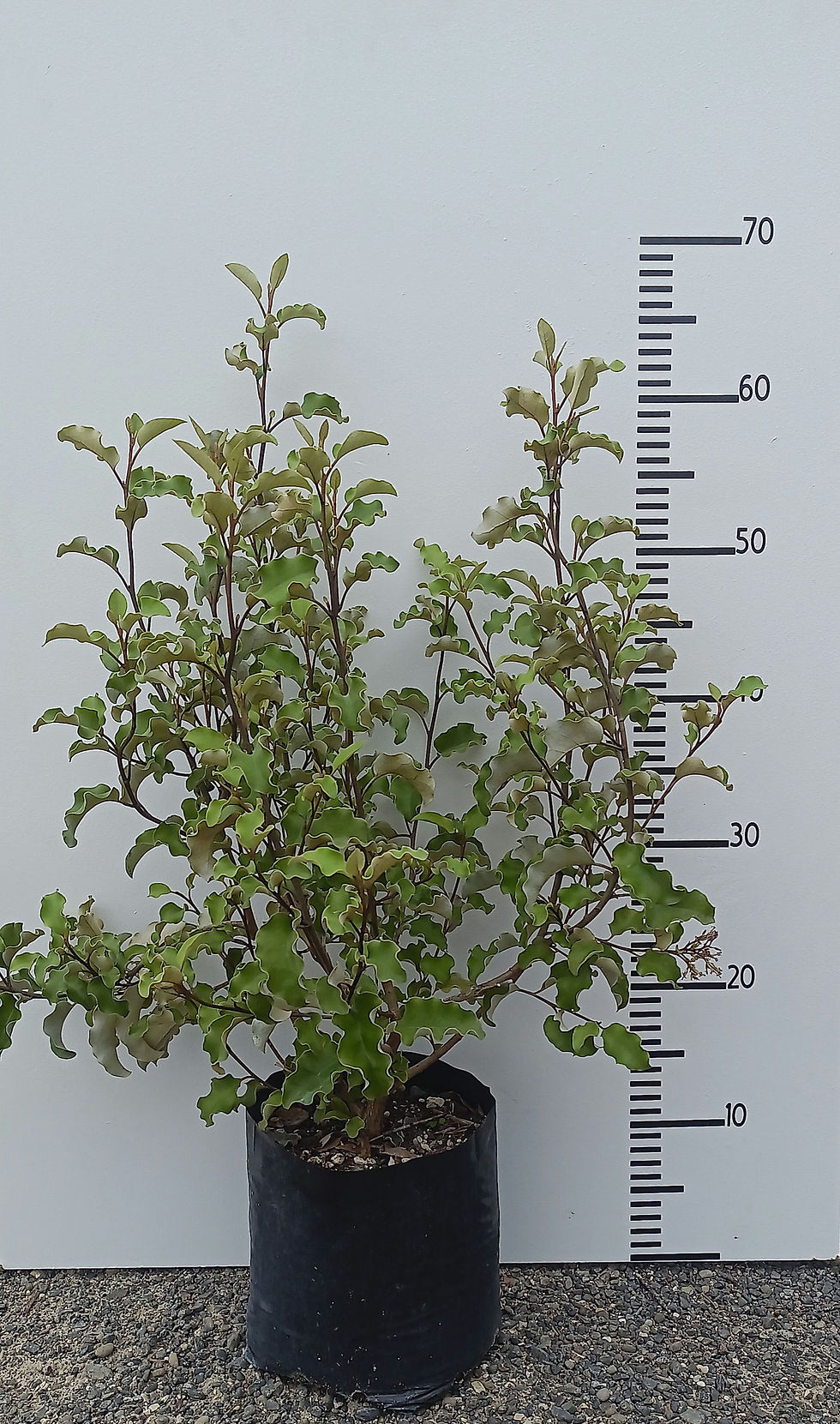
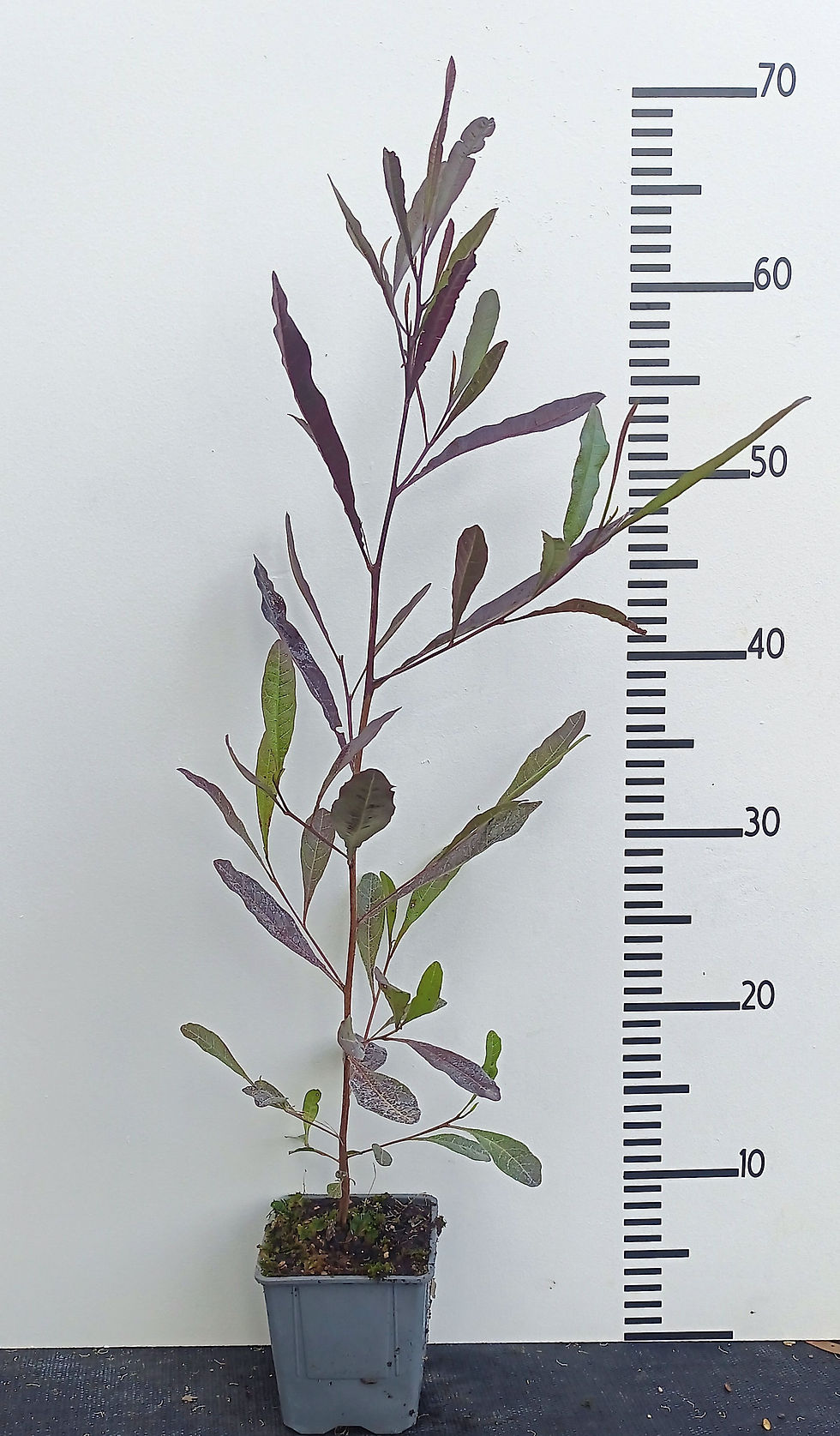
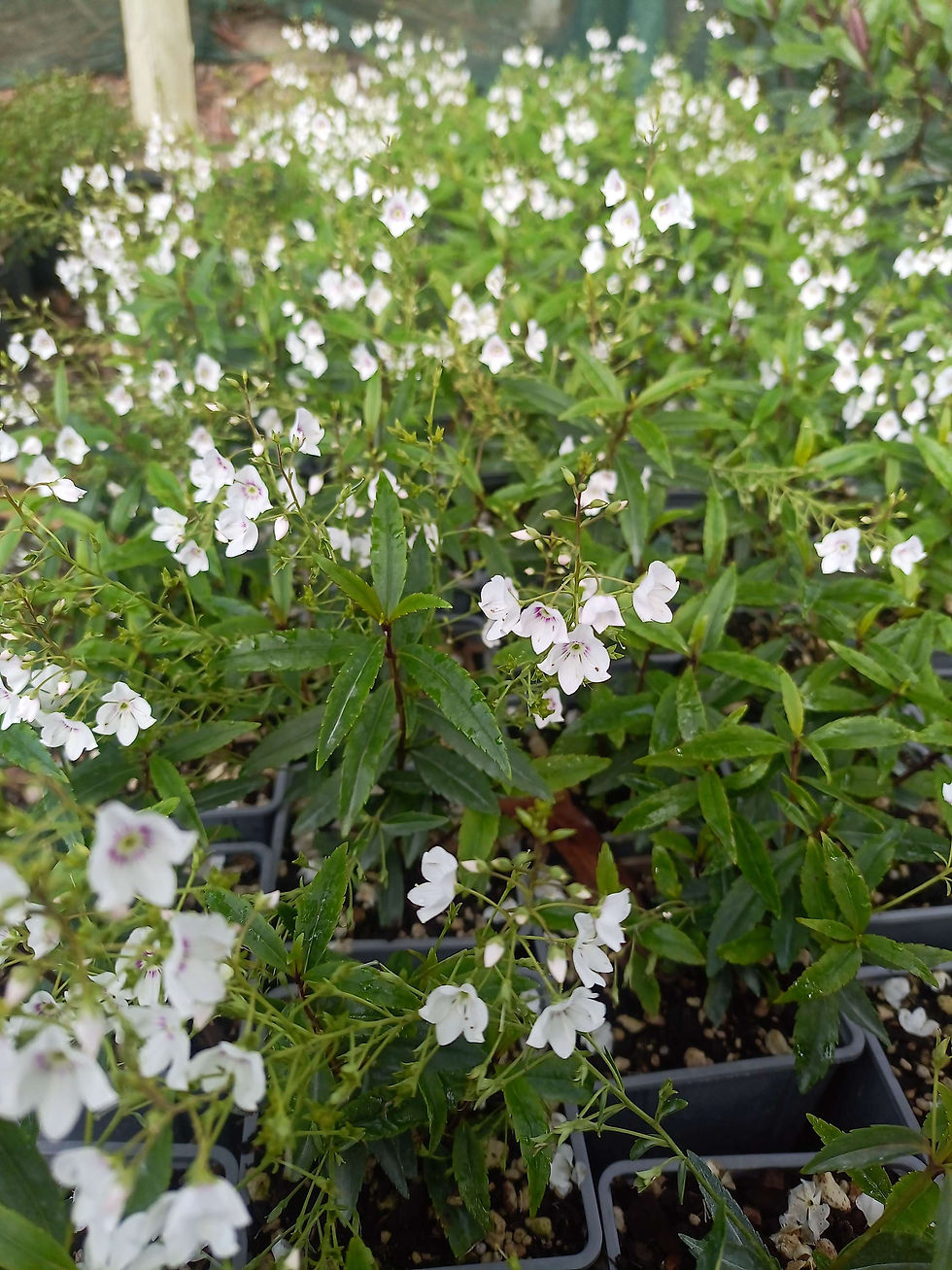
Hoheria sexstylosa, commonly known as houhere or long-leaved lacebark, is a fast-growing New Zealand native tree with a striking upright form of steeply ascending stems and branches that may become gracefully drooping with age, creating a soft, weeping silhouette; it has evergreen, serrated leaves and produces masses of white, scented, star-shaped flowers from late summer into autumn.
It naturally occurs in coastal, lowland, and montane riparian forests and is found across the North Island from northern Waikato and the Coromandel Peninsula to the Wellington and Wairarapa regions, with more uncertain natural populations in parts of the South Island.
This species thrives in a wide range of garden conditions, showing good tolerance to frost, wind, sun, and well-drained soils, making it suitable for shelter planting, screening, and native restoration projects.